
LONDON (AFP) ― The government on Monday named 11 NHS centers that will lead a project to map 100,000 DNA code sequences in the fight against cancer and rare inherited diseases.
More than 75,000 patients are expected to participate in the three-year scheme to collect and sequence the human genomes, including some with life-threatening and debilitating conditions.
Scientists and doctors hope the initiative launched in August will transform medicine by uncovering DNA data that can be used to develop and test new drugs and targeted diagnostic procedures.
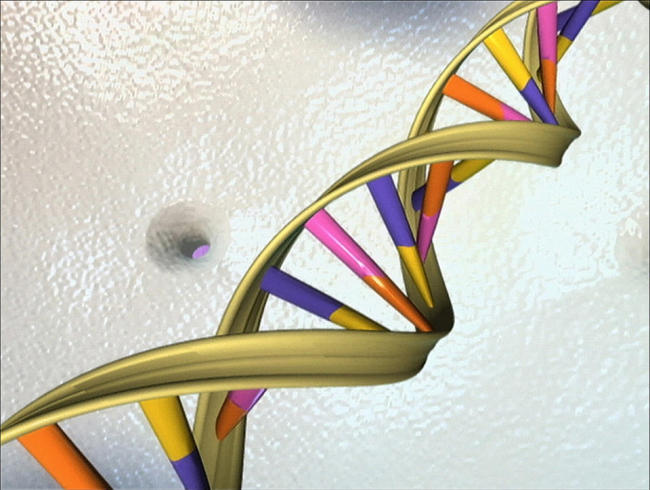 |
| (AFP) |
The genomes ― complete sets of genes ― will be collected and sent for sequencing by U.S. company Illumina at its base in Cambridgeshire using technology invented by scientists at Cambridge University.
Illumina will also invest about $250 million in the project over its lifetime.
The first group of “genomic medicine centers” will be linked to NHS trusts in 11 locations across England, including London, Manchester, Birmingham and Cambridge, with recruitment of patients set to begin in early February.
More than 100 NHS trusts are expected to participate in the project over its three-year lifespan.
To start with the scheme will focus on five common cancers ― breast, bowel, ovarian, lung and CLL leukemia ― and 110 inherited conditions.
Suitable patients will be identified by their clinicians and put forward for genome sequencing after giving their informed consent.
Cancer patients will contribute two genomes, one from blood and another from a tumor sample.
Genomes will also be sequenced from the close relatives of patients with inherited diseases.
Combining information from DNA samples with patients’ health records will improve the prediction and prevention of cancers and rare inherited diseases, experts believe.
Charity the Wellcome Trust and the Medical Research Council along with the NHS will contribute to the project, which will be overseen by Genomics England, a company set up by the Department of Health.
“Our NHS is better equipped for the emerging science that will determine the future practice of medicine than any other Western health care system,” NHS England National Medical director Bruce Keogh said.
